
 Proudly Serving Canadians

Pelvic health education
Pelvic health problems are common, treatable and nothing to be embarrassed about. These guides explain what's going on and what you can do about it, in plain language.
Not sure where to start?
Find care and keep learning
Find a pelvic health clinic
Find a clinic near youPelvic floor physiotherapists and clinics across Canada.


Women's pelvic health
Guides to the most common pelvic health conditions in women, from bladder leaks to pain with sex, menopause and pregnancy.
Bladder leaks
Leaking when you cough, laugh or can't make it to the bathroom in time.
Pain with sex and vaginal pain
Pain, tightness or burning with penetration, tampons or exams.
Pelvic pain
Ongoing pain in the lower abdomen, pelvis or pelvic floor muscles.
Menopause and vaginal health
Dryness, irritation and changes in vaginal health.
Pregnancy and postpartum
Caring for your pelvic floor before, during and after birth.
Not sure which one applies?
Symptoms overlap more often than not, and the right starting point is usually an assessment rather than a guide.
Men's pelvic health
Straightforward guides to erectile dysfunction, Peyronie's disease, bladder control and prostate health.
Erectile dysfunction
What causes it, how common it is and the treatments that help.
Peyronie's disease
A curved penis, why it happens and how traction can help.
Bladder, bowel and pelvic floor
Leaks, bowel health and pelvic floor exercises for men.
Prostate and sexual health
How the prostate works and what affects sexual function.

The Mama's PhysioPelvic health support for pregnancy and postpartum
The Mama's Physio supports women's pelvic health, especially during pregnancy and after birth. Its approach is client-led, evidence-informed and trauma-aware, caring for the physical, mental and emotional sides of recovery.
Meet The Mama's PhysioTop-selling pelvic health products
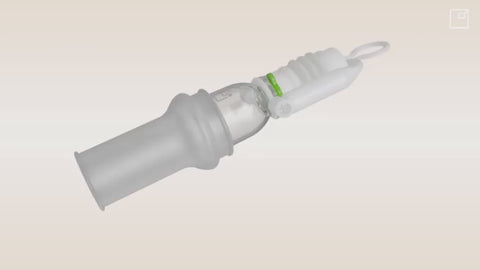
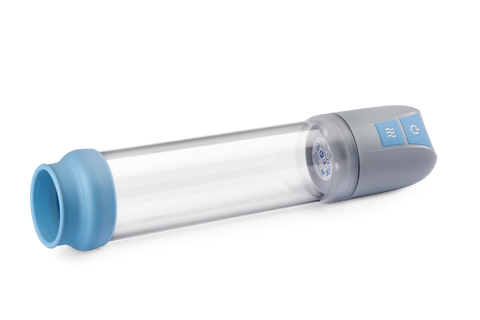
Chosen with pelvic health therapists in mind and shipped discreetly across Canada










Pelvic health questions
Quick answers to the questions we hear most often.
What is the pelvic floor?
The pelvic floor is a group of muscles and connective tissue that stretches like a hammock from the pubic bone at the front to the tailbone at the back. It supports the bladder, bowel and, in women, the uterus. It helps you control when you pass urine, stool and gas, and it plays a part in sexual function for both women and men.
What are the signs of a pelvic floor problem?
Common signs include:
- leaking urine when you cough, sneeze, laugh or exercise
- sudden, strong urges to go, or going very often
- trouble emptying your bladder or bowel
- pain in the pelvis, lower back, hips or genitals
- pain with sex, tampons or pelvic exams
- a feeling of heaviness or a bulge in the vagina
- erection problems
These problems are common, but they aren't something you have to live with.
When should I see a pelvic floor physiotherapist?
Any time pelvic symptoms bother you or get in the way of daily life, exercise or sex. A pelvic floor physiotherapist can check whether your muscles are too weak or too tight and give you a plan, which may include exercises, education and tools to use at home. Many people also see one during pregnancy, after giving birth, or before and after prostate surgery.
Do I need a referral to see a pelvic floor physiotherapist in Canada?
In most provinces you can book with a physiotherapist directly, without a doctor's referral. Some extended health plans ask for a referral before they'll reimburse you, so check your coverage first. Pelvic floor physiotherapy is usually private, though some hospitals offer it through publicly funded programs.
Is it normal to leak urine after having a baby?
Leaking after birth is common, but common isn't the same as normal, and it usually improves with the right help. Pelvic floor muscle training is recommended as a first treatment for stress urinary incontinence, and a pelvic floor physiotherapist can make sure you're doing the exercises correctly.
Can men have pelvic floor problems?
Yes. Men have a pelvic floor too, and problems with it can cause leaking (especially after prostate surgery), pelvic pain, and erection or ejaculation problems. Pelvic floor exercises can help with leaking after prostate surgery and with some erection problems.
When should I see a doctor right away?
Go to the emergency department if you have:
- sudden loss of bladder or bowel control, or numbness around the genitals, buttocks or inner thighs
- being unable to pass urine
- an erection that won't go away after four hours
See a doctor promptly if you have:
- blood in your urine or stool
- fever, chills or severe pain along with pelvic or urinary symptoms
- a new lump or bulge
- unexpected vaginal bleeding, especially after menopause
You don't have to figure it out alone
Talk to a professional
Our guides are for information only. We always encourage you to see a pelvic floor physiotherapist or other healthcare professional about your symptoms.
Clinics across Canada
Search our map for pelvic health clinics near you.
Products they recommend
Many of the products in our store are the ones pelvic health therapists recommend for use at home.

Join our community
Pelvic health tips, new products and 5% off your first order
One or two helpful emails a month from the Urology Health Store team. No spam.
- 5% off your first order
- Pelvic health tips and education
- First to hear about new products
Check your inbox for your welcome email and 5% off code.
- Free shipping over $125Fast delivery across Canada
- Discreet packagingPlain box, no product names
- Here to helpReal people, quick answers
- Pelvic health resourcesGuides written for patients